

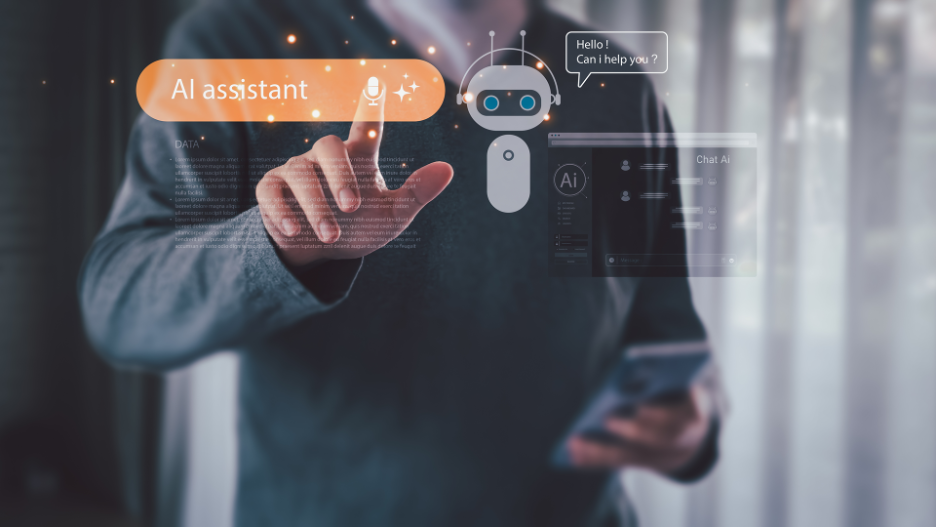
Google has launched the Universal Commerce Protocol to improve AI-powered shopping experiences. The update brings ecommerce functionality directly into conversational AI platforms and fundamentally changes the relationship between search and commerce. Businesses that generate revenue from paid search ads should especially pay close attention to this update.
This SEM agency in Chicago, Illinois is going to explain everything you need to know about this update below.
What is the Universal Commerce Protocol?
The Universal Commerce Protocol (UCP) is an open standard from Google. It connects AI shopping agents directly to merchant ecommerce systems. It also connects AI agents to payment systems.
UCP gives AI systems a shared commercial vocabulary and standardizes how they exchange shopping data. It enables accurate product discovery as well as real-time price and availability checks. With this protocol, AI agents can also complete purchases on a user’s behalf when authorized.
Developers built traditional ecommerce platforms to support human, click-based shopping behaviors. They were not built to accommodate autonomous AI agents acting on behalf of users. Without a universal standard, every AI system would need to integrate individually with each retailer. That model does not scale effectively.
UCP addresses this problem by standardizing how systems communicate commerce data. This standardization improves reliability and security for both merchants and consumers.
How does agent-led shopping change the customer journey?
Agent-led shopping allows AI systems to guide users through the entire buying process. The journey may start when a user asks a simple question in search or a conversational chat interface. The AI then provides personalized recommendations. It can compare available options and even complete checkout within the same conversation.
Purchase intent forms differently in this new model. AI experiences handle most of the decision-making. The AI remembers context and prior interactions, which shortens the path to purchase.
This compresses the traditional marketing funnel. There are fewer visible steps between product discovery and final conversion. AI systems now handle many actions that brands once controlled through messaging and on-site experiences.
UCP enables this experience by giving AI agents secure access to the merchant systems. AI agents can view pricing and inventory in real time. Real-time access leads to faster purchase decisions and fewer abandoned carts. Both shoppers and sellers benefit from smoother transactions.
If you want to understand how this update directly affects your business, speak with a professional SEM agency in Chicago, Illinois.
What changes for search ads?
Paid search traditionally focuses on driving clicks to websites. Traditional SEO elements are still important in 2026. But AI-driven interactions now influence purchases without requiring a click.
The click-based funnel is shrinking as AI assistants guide users from discovery to checkout within a single interface. Because of this, advertisers can no longer rely solely on impressions and click-through rates to measure success.
Advertisers must evolve performance measurement to match this new reality. This is why completed purchases and AI-driven conversions are becoming valuable traffic metrics. AI-executed actions can sometimes be more important than page visits or session counts.
Advertisers also need to think past traffic generation alone. AI-led shopping uses structured and accurate product data. Pricing and availability must always be correct. Commerce systems must be easy for AI tools to understand and act upon.
These changes are creating new opportunities. Early adopters can gain valuable visibility inside AI-driven shopping environments where competition is still limited. AI-generated recommendations can influence buyer decisions at critical moments in the journey.
Businesses that delay adaptation face increasing risk. Traditional search visibility may decline over time as AI increasingly shapes consumer behavior. As AI increasingly determines how it forms and resolves intent, marketers must evolve SEM strategies to optimize for AI understanding and action.
If you want to prepare for these changes, talk to your local SEM agency in Chicago, Illinois.
Looking for an SEM agency in Chicago, Illinois?
Are you looking for a professional SEM agency in Chicago, Illinois that can help you adapt to Google’s advertising landscape? If so, look no further than Digital Destination LLC. Whether you want to improve your current SEM performance or proactively prepare for AI-led commerce, our SEM experts can help you stay competitive. Contact us at (312) 933-6806 to schedule a free consultation.